February 4, 2026
Designing a patio is an exciting opportunity to extend your living space and create an outdoor area that fits your lifestyle. Whether you envision a quiet retreat or an entertainment hub, thoughtful planning helps ensure your patio is both functional and visually appealing, especially when considering options like concrete patios that balance durability and design flexibility.
1. Define the Purpose of the Patio
Before choosing materials or layouts, determine how you plan to use the patio. Some homeowners want a dining area for family meals, while others prioritize space for gatherings, fire pits, or relaxation. Clarifying the purpose early influences decisions about size, layout, furniture placement, and traffic flow. A well-defined goal prevents overcrowding and ensures the patio supports your daily routines and long-term needs.
Taking time to think through how the space will be used throughout the year can also guide smarter design choices. For example, a patio intended for entertaining may need room for multiple seating zones, easy access to the kitchen, and open pathways for guests to move comfortably. A more private retreat might focus on cozy seating, shade, and noise reduction. Considering whether the patio will host children, pets, or large groups helps refine safety and durability requirements as well. By aligning the design with real-life use instead of idealized scenarios, homeowners create a patio that feels intuitive, functional, and enjoyable day after day rather than underutilized or impractical.
2. Choose the Right Size and Shape
Patio dimensions should reflect both available space and intended use. A patio that’s too small can feel cramped, while one that’s too large may overwhelm the yard or feel underutilized. Shape also plays a role—rectangular layouts are practical for dining and seating, while curved or irregular designs can soften landscapes and add visual interest. Measuring carefully and visualizing furniture placement helps strike the right balance.
Beyond basic measurements, it’s important to consider how people will move through the space. Allowing adequate clearance for chairs, walkways, and access points prevents the patio from feeling cluttered once it’s in use. Factoring in features such as grills, planters, or built-in seating also affects how much usable space you’ll need. The patio’s proportions should complement the home and yard rather than compete with them visually. By thinking about scale, flow, and future furnishings during the planning stage, homeowners can design a patio that feels comfortable, functional, and naturally integrated into the outdoor environment.
3. Select Materials That Match Your Climate
Climate plays a major role in patio performance and longevity. Freeze-thaw cycles, heavy rainfall, and intense sun exposure all affect how materials age. Selecting surfaces that can handle local weather reduces cracking, fading, and maintenance needs over time. In regions with fluctuating temperatures, materials that expand and contract predictably perform best and maintain their appearance longer.
Local climate conditions should also influence installation methods and finishing choices. For example, proper base preparation and reinforcement are especially important in colder climates where shifting soil can cause movement beneath the patio. In hot, sunny areas, lighter-colored finishes may help reduce surface temperatures and minimize heat-related stress. Moist or coastal environments may require materials that resist moisture penetration and surface wear. By matching materials and construction techniques to the surrounding climate, homeowners can significantly extend the life of their patio while preserving its structural integrity and visual appeal year after year.
4. Plan for Proper Drainage
Water management is often overlooked but critical to patio success. Poor drainage can lead to pooling, erosion, or foundation issues that shorten the patio’s lifespan. A slight slope away from the home allows water to run off naturally without being noticeable. Drainage considerations should be built into the design stage to avoid costly corrections later.
Beyond slope, designers must account for how water moves across the entire yard. Downspouts, nearby landscaping, and soil type all influence where runoff will travel during heavy rain. Without a clear plan, water can collect along edges or seep beneath the patio surface, weakening the base over time. Incorporating features such as gravel borders, drainage channels, or permeable joints can help manage excess moisture more effectively. Thoughtful drainage planning protects both the patio and the home’s foundation while preserving surrounding landscaping.
5. Understand Budget and Cost Factors
Patio costs vary based on size, materials, site preparation, and design complexity. Beyond surface materials, budgets should account for excavation, base preparation, reinforcement, and finishing details. When calculating quantities, accuracy matters. According to Home Guide, when calculating how much concrete you need, add 5% to 10% to account for waste and spills. Planning for contingencies keeps projects on track and reduces surprise expenses.
6. Design for Durability and Longevity
A patio should be built to last, not just look good on installation day. Reinforcement, proper base layers, and professional installation techniques all contribute to long-term performance. Many homeowners choose concrete patios because they offer strength, resistance to wear, and adaptability to various design styles. Investing in durability upfront often lowers repair and replacement costs over time.
7. Coordinate With the Home’s Architecture
A patio should feel like a natural extension of the home, not an afterthought. Matching colors, textures, and lines to existing architecture creates visual harmony. For example, modern homes often pair well with clean edges and smooth finishes, while traditional homes may benefit from textured or stamped surfaces. Thoughtful coordination enhances curb appeal and overall property cohesion.
8. Incorporate Comfort and Accessibility
Comfort features turn a patio from a simple surface into a livable space. Shade structures, seating walls, steps, and clear pathways all improve usability. Accessibility is equally important—smooth transitions, appropriate step heights, and ample walking space make the patio enjoyable for guests of all ages. Well-planned layouts ensure the space feels welcoming rather than restrictive.
9. Consider Maintenance and Upkeep
Different patio materials come with varying maintenance requirements. Some surfaces need regular sealing, while others are more forgiving and low maintenance. Concrete patios are often favored for their ease of care, requiring minimal upkeep compared to more delicate materials. Understanding long-term maintenance expectations helps homeowners choose a solution that fits their lifestyle and time commitments.
10. Think About Long-Term Property Value
A professionally designed patio can increase both enjoyment and resale appeal. Buyers often see outdoor living spaces as valuable extensions of the home, especially when they’re well-constructed and visually appealing. Features like lighting, integrated seating, and durable surfaces signal quality craftsmanship. Concrete patios that are thoughtfully designed can offer a strong return on investment by enhancing functionality and aesthetics.
11. Plan for Professional Installation
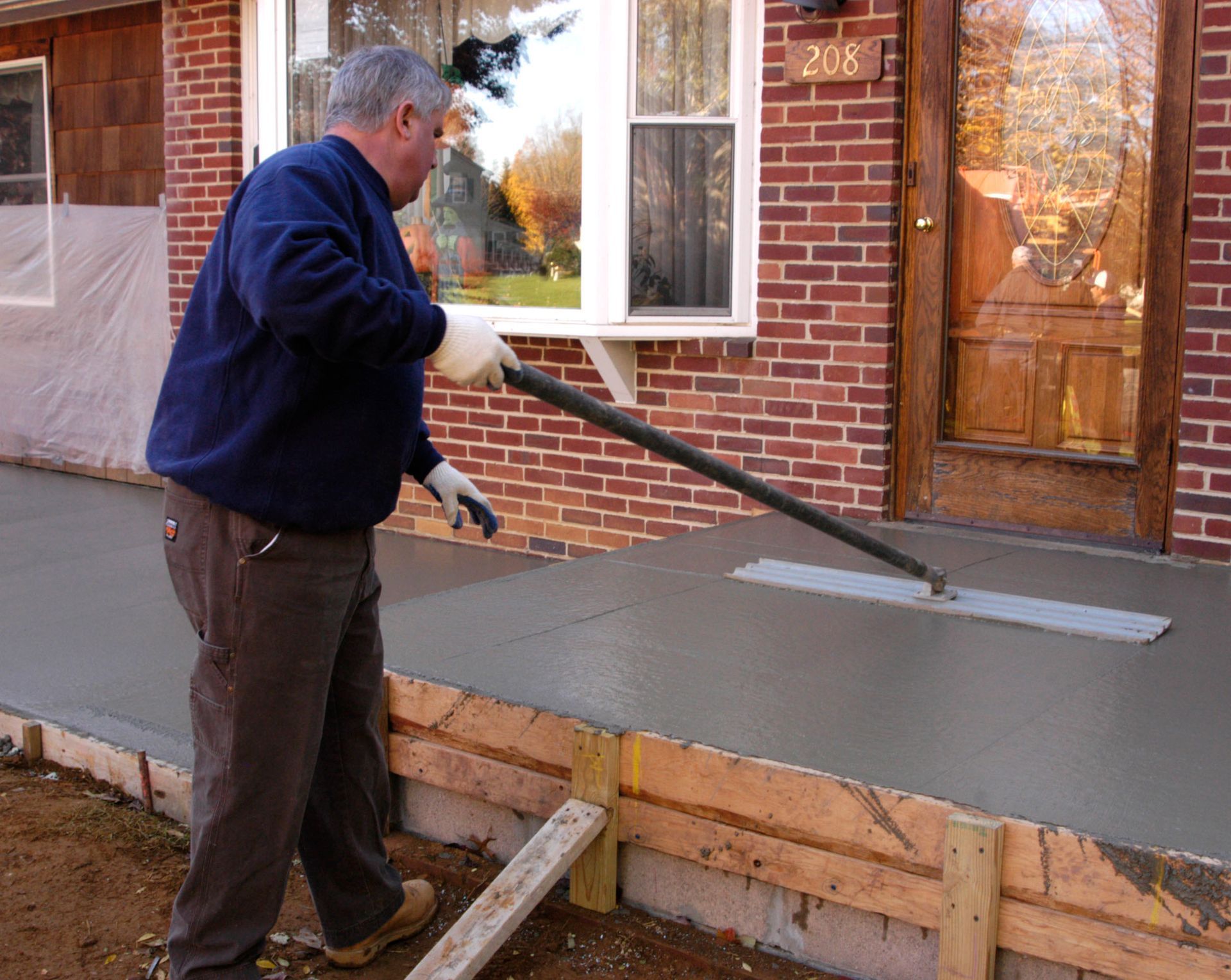
While design inspiration is easy to find, execution requires experience and technical knowledge. Proper site prep, reinforcement, and finishing techniques make a significant difference in performance and appearance. Hiring professionals ensures codes are followed, materials are handled correctly, and the final product meets design expectations. Expert installation reduces risks and protects your investment.
12. Anticipate Future Needs
A patio should serve you not just today, but years from now. Consider whether you may want to add features like outdoor kitchens, pergolas, or expanded seating later. Designing with flexibility in mind makes future upgrades easier and more cost-effective. Forward-thinking layouts help avoid limitations as your needs evolve.
A well-designed patio blends function, durability, and style into one cohesive outdoor space. By planning carefully and understanding key design considerations, homeowners can create patios that enhance daily living and long-term value, especially when choosing concrete patios as a reliable foundation. If you are looking for a reliable company to help build concrete patios, contact Cox Concrete & Excavation today to learn more and get started!