October 24, 2026
Quality and durability are essential characteristics of successful concrete construction projects. From residential driveways and patios to commercial foundations and public infrastructure, concrete must withstand environmental conditions, structural loads, and everyday wear. A professional concrete company uses specialized materials, precise production techniques, and established quality control procedures to achieve dependable results. Understanding these practices helps property owners and construction professionals make informed decisions about their projects. By combining experienced personnel with modern technology, contractors can improve structural performance, reduce maintenance requirements, and extend the lifespan of finished concrete surfaces.
Selecting High-Quality Raw Materials
The foundation of durable concrete begins with selecting appropriate raw materials. Cement, aggregates, water, and chemical admixtures each influence the strength, workability, and long-term performance of the finished product. Using materials that meet established specifications helps minimize structural weaknesses and improves consistency throughout construction. The characteristics of these ingredients must also align with the intended application and anticipated environmental conditions.
A reputable concrete company works with dependable suppliers to maintain consistent material quality. Supplier evaluations, laboratory testing, and proper storage procedures help prevent contamination and inconsistencies. Aggregates should be clean and appropriately graded, while mixing water must meet applicable quality requirements. Careful material selection reduces the likelihood of premature deterioration and supports reliable performance throughout the structure's service life.
Developing Accurate Concrete Mix Designs
Creating the appropriate concrete mixture requires careful consideration of strength requirements, environmental exposure, and construction methods. Engineers and technicians determine suitable proportions of cementitious materials, aggregates, water, and admixtures to achieve specific performance characteristics. Maintaining an appropriate water-to-cementitious-materials ratio is particularly important because excessive water can increase porosity and reduce strength.
Different applications require specialized mixtures. Concrete used for foundations may have different specifications than materials intended for decorative patios or industrial flooring. Adjustments to aggregate sizes, cementitious materials, and chemical additives can improve workability, durability, and resistance to environmental exposure. Accurate mix designs help contractors deliver consistent results while minimizing unnecessary material consumption.
Utilizing Advanced Mixing Techniques
Proper mixing ensures that concrete ingredients are distributed evenly throughout each batch. Inconsistent mixing can produce variations in strength, workability, and appearance, potentially compromising the finished structure. Modern mixing equipment helps achieve uniform consistency while reducing material segregation and production errors. Precise batching procedures also support predictable performance during placement and finishing.
An experienced concrete company may utilize automated batching systems and specialized mixers to control production variables. These technologies measure ingredient quantities, monitor mixing duration, and help maintain consistent proportions. Planetary and twin-shaft mixers can provide efficient blending for particular applications. Routine equipment inspections and calibration further improve accuracy, allowing contractors to maintain reliable production standards across projects of different sizes.
Establishing Rigorous Quality Control Procedures
Quality control is essential for verifying that concrete meets applicable engineering specifications and construction requirements. Industry standards developed by organizations such as ASTM International and the American Concrete Institute provide guidance for material testing, production practices, and performance evaluation. Contractors use these standards alongside project-specific requirements to assess consistency and identify potential deficiencies.
Common testing procedures include slump measurements, air content evaluations, temperature checks, and compressive strength testing. These assessments help determine whether delivered concrete meets the specifications established for the project. A professional concrete company also maintains documentation of testing results, material quantities, and production conditions. Detailed records support accountability and allow contractors to investigate inconsistencies before they create larger construction problems.
Applying Proper Placement and Finishing Methods
Even carefully manufactured concrete can experience performance problems when placement techniques are inadequate. Contractors must prepare the installation area, position reinforcement correctly, and place the mixture without excessive segregation. Proper consolidation removes unwanted air pockets and helps concrete surround reinforcing materials. These steps contribute to structural integrity and reduce the likelihood of internal voids.
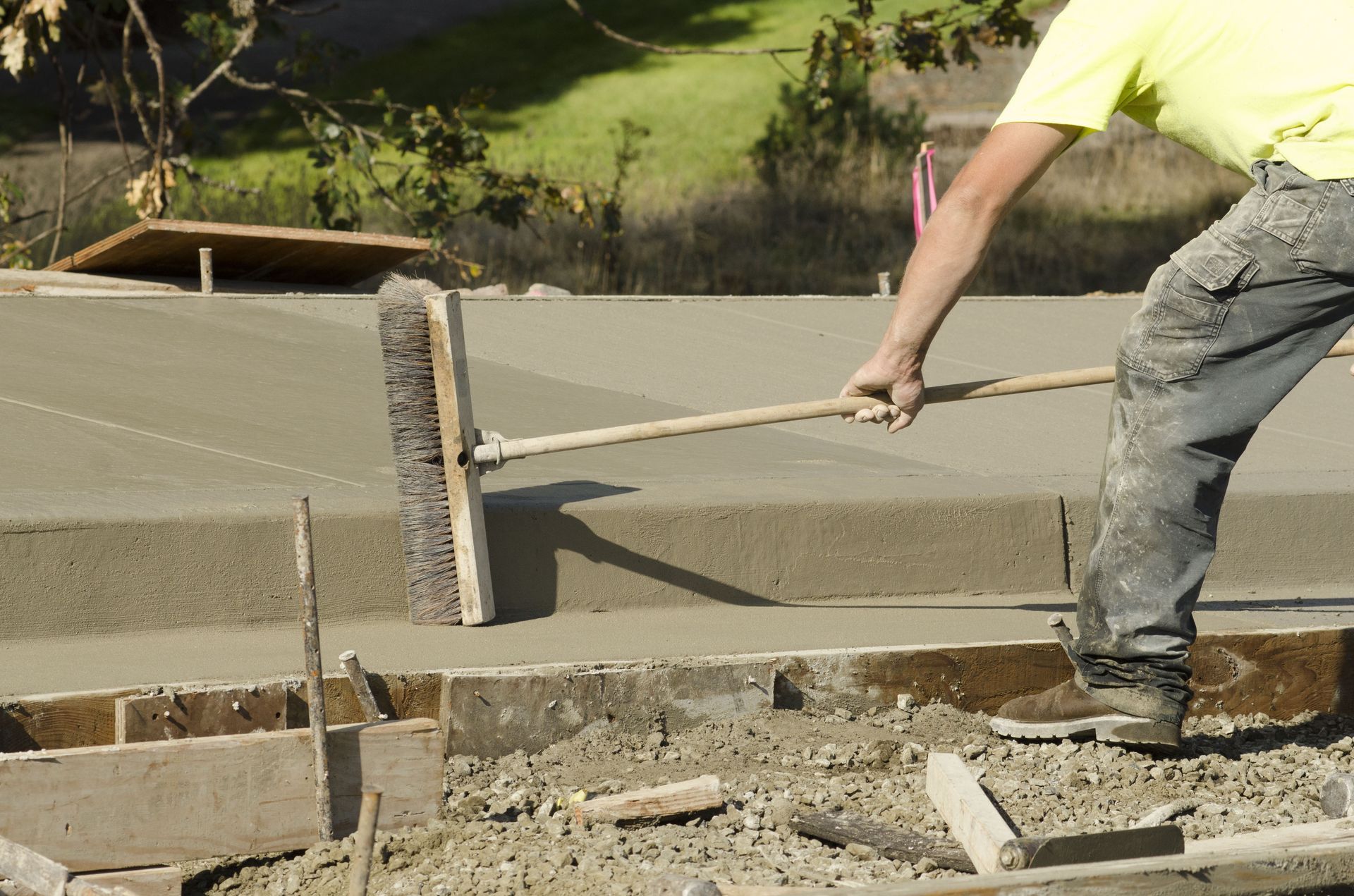
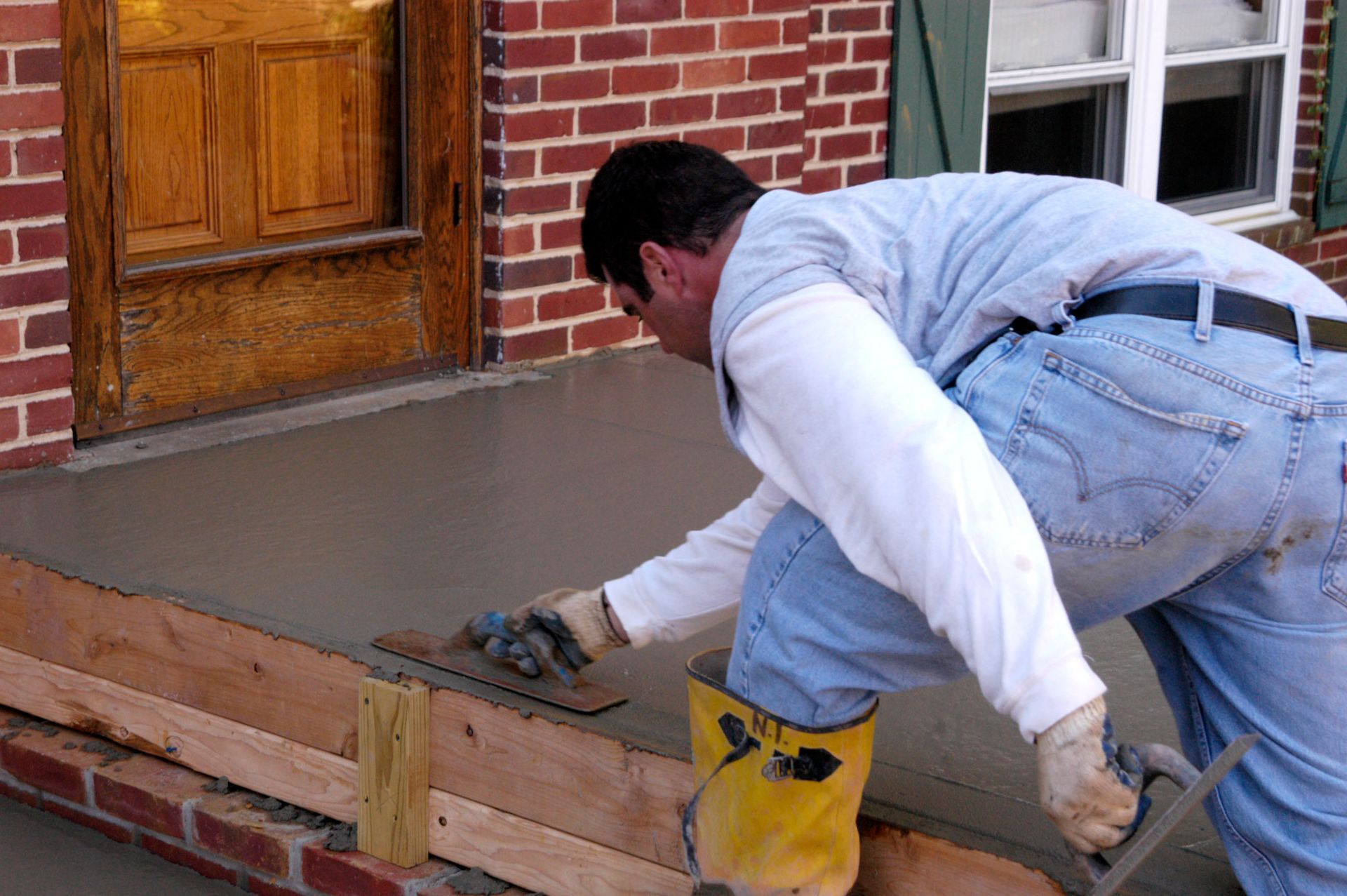
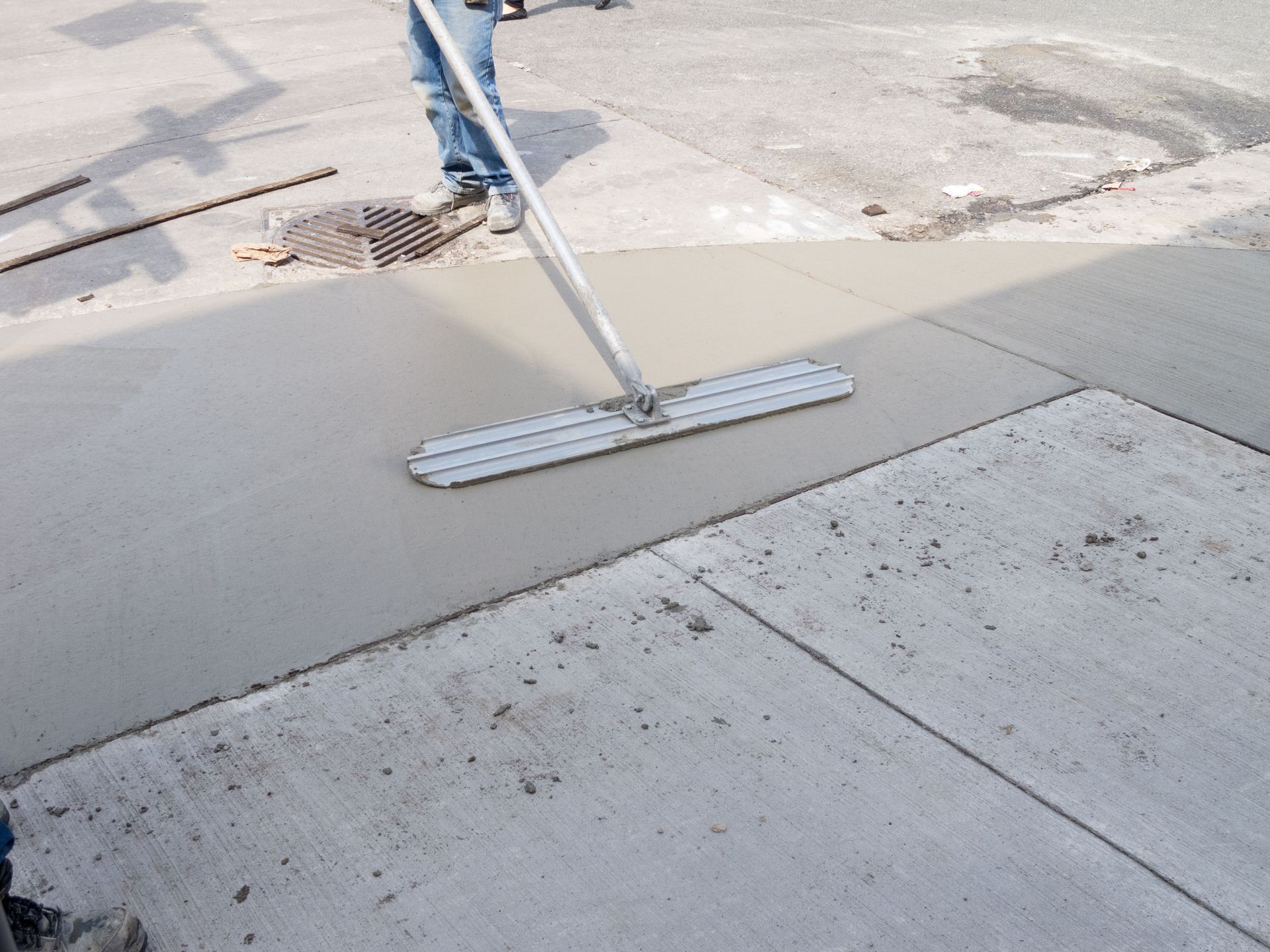
Finishing techniques also influence durability and appearance. Contractors select appropriate methods based on the surface's intended use, weather conditions, and desired texture. Overworking the surface or finishing while excess bleed water remains can weaken the upper layer. Proper joint placement helps manage cracking caused by shrinkage and temperature changes. Careful installation practices improve overall performance while creating attractive, functional surfaces.
Implementing Effective Concrete Curing Practices
Curing is a critical process that allows concrete to develop strength through continued cement hydration. Maintaining suitable moisture and temperature conditions during early development helps improve durability and reduce premature cracking. Without adequate curing, concrete surfaces may become more vulnerable to abrasion, scaling, and other forms of deterioration.
A knowledgeable concrete company selects curing methods according to project requirements and environmental conditions. Common approaches include applying curing compounds, using moisture-retaining coverings, and maintaining controlled surface moisture. Hot, cold, or windy weather may require additional precautions to protect freshly placed concrete. Following appropriate curing schedules helps achieve specified strength levels and supports long-term structural performance.
Investing in Employee Training and Skill Development
Experienced personnel play an important role in maintaining construction quality. Concrete production and installation involve technical processes requiring knowledge of materials, equipment, safety procedures, and environmental conditions. Workers must recognize potential problems and make informed adjustments throughout the project. Ongoing training helps employees remain familiar with changing standards and emerging construction techniques.
Professional development opportunities may include certification programs, equipment training, safety workshops, and hands-on instruction. Experienced supervisors can provide guidance on placement techniques, finishing procedures, and quality assessments. A concrete company that prioritizes workforce development can improve operational consistency while reducing preventable installation errors. Effective communication among project managers, technicians, and field crews also supports efficient scheduling and dependable workmanship.
Incorporating Sustainable Construction Practices
Sustainability has become an increasingly important consideration within the concrete industry. Cement manufacturing contributes substantially to industrial carbon dioxide emissions, encouraging producers to explore alternative materials and more efficient production methods. Supplementary cementitious materials, including certain fly ashes and slags, can partially replace traditional cement when appropriate for the application. These materials may also improve selected performance characteristics.
Recycled aggregates, optimized transportation schedules, and efficient batching equipment can further reduce environmental impacts. Contractors must evaluate alternative materials carefully to ensure they meet applicable performance requirements. According to Grand View Research, the residential segment accounted for the largest revenue share of 38.4% in 2024, highlighting the importance of residential construction within the market examined. Incorporating responsible material management and waste reduction strategies can support more resource-efficient construction without compromising durability.
Leveraging Modern Technology and Monitoring Systems
Technological advancements allow concrete producers and contractors to improve accuracy throughout construction. Digital batching systems, automated monitoring equipment, and connected sensors provide valuable information about production conditions. Temperature monitoring devices can help track curing conditions, while data collection systems support consistency and identify potential problems.
Additional innovations include three-dimensional concrete printing, digital project modeling, and specialized design software. These technologies can improve planning, material utilization, and construction efficiency when suitable for a particular application. Predictive maintenance systems also help identify equipment problems before they interrupt production. Integrating technology with established construction methods enables contractors to improve quality while maintaining efficient operations.
Conducting Inspections and Long-Term Maintenance
Maintaining concrete durability extends beyond initial installation. Regular inspections help identify cracks, surface deterioration, drainage problems, and other conditions that could affect performance. Addressing minor defects early may prevent moisture intrusion and more extensive damage. Maintenance requirements vary according to climate, traffic exposure, structural design, and the intended use of the surface.
Ensuring concrete quality and durability requires careful planning, reliable materials, skilled workmanship, and consistent oversight. From raw material selection and precise mixing to proper curing and ongoing maintenance, each stage contributes to the finished structure's performance. Modern technology and sustainable construction methods provide additional opportunities to improve efficiency and resource management. By maintaining rigorous quality standards and adapting to industry advancements, concrete professionals can deliver dependable results that support residential, commercial, and infrastructure projects for years to come. Contact our team at Cox Concrete & Excavation today and learn more about our concrete services.