December 1, 2025
Concrete driveways remain a popular choice among homeowners, offering a blend of durability, visual appeal, and long-term value. However, deciding to invest in a concrete driveway involves more than just aesthetics. Costs, longevity, maintenance, environmental impact, and even legal considerations all play a role in determining whether this investment aligns with your home improvement goals. This article examines the essential factors homeowners should know before committing to a concrete driveway.
Consider the Costs of Installing a Concrete Driveway
The upfront investment for a driveway can vary significantly based on factors such as location, driveway size, and the contractor selected. Materials, labor, and any necessary site preparation—like excavation, grading, or sub-base reinforcement—contribute to the overall project scope. Premium finishes, staining, or decorative texturing can enhance the driveway’s appearance and add value. Getting multiple estimates helps ensure a fair and competitive process while minimizing unexpected surprises.
While concrete driveways generally cost more initially than alternatives like asphalt or gravel, their durability often offsets the higher upfront price. Asphalt may be cheaper at installation but requires more frequent repairs, whereas gravel driveways need constant grading and refilling. Over the long term, concrete’s resilience often results in a lower total cost of ownership, making it a financially sound choice.
Unexpected expenses can arise during installation, potentially increasing the budget. Common overruns include higher-than-expected permit fees, unforeseen soil or drainage issues, and additional labor or material requirements. Setting aside contingency funds helps mitigate these risks. A thorough site assessment and careful planning can prevent most surprises and ensure smoother project execution.
Investing in a driveway may also increase property value. According to Clever Real Estate, driveway updates can result in a 5% to 10% increase in home value. Beyond potential resale benefits, concrete’s longevity translates to fewer repairs and replacements compared to other materials, saving homeowners money over the years. Evaluating current property values and future market trends can further clarify the financial impact of this investment.
Evaluate the Durability and Longevity of a Concrete Driveway
Concrete driveways are celebrated for their exceptional durability and long-lasting performance. Their inherent strength and resistance to wear allow them to maintain structural integrity even in conditions where other materials may deteriorate. Warranties from contractors can offer extra reassurance against potential early defects. With a high-quality installation and consistent preventative care, homeowners can enjoy a reliable and enduring driveway for years to come.
Several factors influence a driveway’s durability. Climate plays a significant role, as regions with freeze-thaw cycles may see accelerated wear unless the concrete mix and reinforcement techniques are tailored to the environment. Contractor expertise is equally critical, as proper installation ensures optimal performance. Routine sealing and preventive maintenance further protect the surface, extending the driveway’s lifespan.
Compared to asphalt or gravel, concrete generally outperforms in resilience. Asphalt may crack under extreme heat or heavy traffic, and gravel requires frequent maintenance due to displacement. Concrete maintains structural integrity under a wide range of conditions, making it a preferred option for homeowners prioritizing durability.
Advancements in concrete technology continue to improve durability and functionality. New admixtures and reinforcement methods enhance crack resistance, while permeable concrete options improve water management and environmental performance. These innovations make concrete more resilient, sustainable, and visually versatile than ever before.
Perform Regular Maintenance for a Concrete Driveway
Maintaining a driveway is crucial for preserving its appearance and structural integrity. Routine tasks include sweeping, washing, and applying sealants every few years to prevent moisture intrusion. Filling small cracks promptly prevents more extensive damage. A proactive maintenance schedule extends the life of the driveway while retaining its visual appeal.
Seasonal conditions also affect maintenance needs. Summer UV exposure can fade colors, while winter de-icing requires careful selection of chemicals to prevent surface damage. Regular inspections during transitional seasons help detect freeze-thaw cracks early. Tailoring maintenance practices to seasonal changes ensures optimal performance year-round.
Preventive strategies can reduce common issues such as cracking and weed growth. Proper initial installation, sealing, and strategic landscaping minimize moisture infiltration and vegetation intrusion. Quickly addressing spills and stains protects the surface from degradation. Consistent preventive care reduces repair frequency and enhances the driveway’s longevity.
While maintenance has associated costs, they are generally manageable. Regular cleaning and sealing may cost a few hundred dollars per cycle, with additional expenses for minor crack repairs. These investments are modest compared to frequent replacements required for other materials. Planning for ongoing maintenance ensures the driveway remains functional and attractive for decades.
Explore Aesthetic and Design Options for a Concrete Driveway
Concrete driveways offer extensive customization, allowing homeowners to tailor appearance to their preferences. Stamping, staining, and texturing can mimic natural materials such as stone or brick, creating unique visual effects. Textured finishes improve safety by reducing slip hazards while enhancing curb appeal.
Designs can be tailored to complement the home’s architecture and landscaping. Color palettes, shapes, and textures should harmonize with exterior elements like brickwork or siding. Integrating flowerbeds, shrubs, or decorative edging enhances the overall aesthetic. Thoughtful design choices create a cohesive, visually appealing entryway.
Current trends in driveway design emphasize environmental responsibility and contemporary style. Permeable pavers, grass-filled sections, and smart lighting integrations combine functionality with visual interest. Mixing materials, such as exposed aggregate with polished surfaces, adds texture and dimension. Following these trends enhances both style and sustainability.
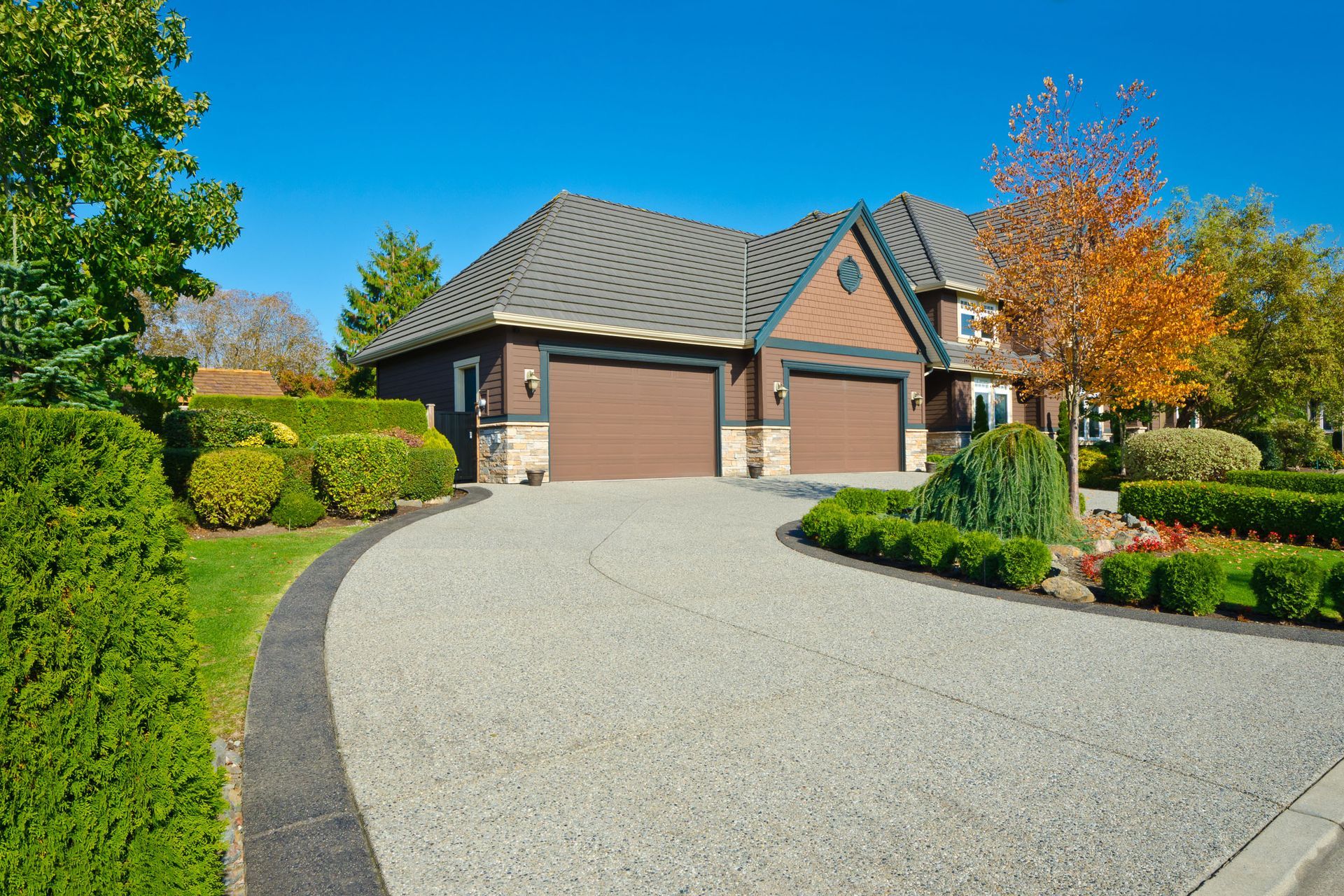
Budget-conscious homeowners can achieve stylish results without overspending. Simple slab patterns, locally sourced aggregates, and creative finishing techniques allow customization at lower costs. Pigments, broom finishes, and decorative cuts provide visual appeal without significant financial strain. These design options demonstrate that aesthetic sophistication can coexist with budget awareness.
Assess the Environmental Impact of a Concrete Driveway
Concrete driveways offer several environmental benefits. The production process generates minimal waste, with leftover material often recycled or repurposed. Longevity and low maintenance reduce the need for replacements, conserving resources. Light-colored concrete reflects sunlight, lowering heat absorption compared to darker alternatives, and contributing to more comfortable outdoor environments.
Water management is another key consideration. Permeable concrete pavers and proper grading allow effective runoff control, minimizing flooding risks. Thoughtful design not only supports environmental sustainability but also preserves driveway functionality, particularly in regions prone to heavy rainfall.
Concrete’s recyclability adds another ecological advantage. Demolished concrete can be crushed for use in new construction or landscaping projects, reducing demand for virgin materials. This approach supports sustainable building practices and reduces landfill contributions, aligning with modern environmental priorities.
By using concrete responsibly, homeowners may also achieve green building certifications. LEED and similar programs reward durable, locally sourced materials and sustainable stormwater management practices. Incorporating recycled content in concrete mixes further enhances certification potential. An environmentally conscious driveway can improve a property’s sustainability profile while offering practical benefits.
Understand Legal and Zoning Considerations for a Concrete Driveway
Homeowner Associations (HOAs) often enforce regulations regarding driveway materials, colors, and styles. Compliance prevents fines or mandatory modifications. Reviewing HOA guidelines before installation ensures the driveway meets community standards while accommodating homeowner preferences.
Property lines and easements require careful attention. Accurate surveys prevent encroachment on neighboring land, and easements may restrict construction in certain areas. Legal guidance or boundary verification ensures proper placement and long-term property protection.
Insurance implications are another factor. A new driveway may influence homeowner insurance coverage and premiums. Updating policies ensures protection against potential liability or damage associated with the installation.
Accessibility requirements, including those outlined by the ADA, should be considered for slope, surface stability, and gradient. Designing for inclusivity ensures compliance while accommodating residents and visitors with mobility challenges.
Investing in a concrete driveway offers tangible advantages, from long-term durability and customizable aesthetics to potential increases in property value. Considering cost, maintenance, environmental factors, and legal requirements ensures a well-informed decision. For homeowners looking to enhance their property with a reliable and visually appealing driveway, we at Cox Concrete & Excavation are ready to help bring that vision to life.